Tips for Creating a Cozy and Inviting Home Office Space
Creating a cozy and inviting home office space is essential for anyone who works from home or spends time on personal projects. A comfortable and well-organized workspace not only boosts productivity but also improves your overall mood and focus. Whether you have a dedicated room or a small corner, with the right touches, your home office can become a place you look forward to using. In this guide, we’ll share tips to help you design a warm and inviting home office that supports your work and well-being.
Choose the Right Location
The first step in setting up your home office is selecting the ideal spot. Consider the amount of natural light, noise levels, and space available.
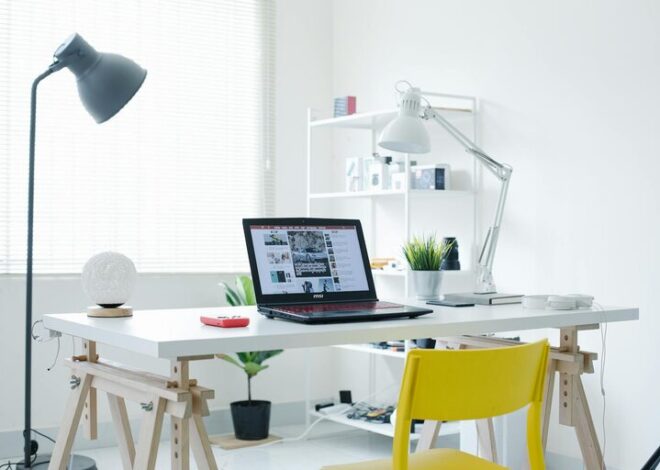
– Natural Light: Position your desk near a window if possible. Natural light reduces eye strain and improves mood.
– Quiet Area: Choose a space away from busy parts of the house to minimize distractions.
– Space: Ensure you have enough room for your desk, chair, and storage solutions without feeling cramped.
Invest in Comfortable Furniture
The furniture you select plays a huge role in making your office cozy.
– Ergonomic Chair: Invest in an ergonomic chair with good back support. Comfort helps you stay focused longer.
– Desk Size: Pick a desk that fits your needs—enough room for your computer, writing surface, and any tools you use regularly.
– Additional Seating: If space allows, include a small cozy chair or reading nook for breaks or brainstorming.
Use Warm and Soothing Colors
Color impacts the atmosphere of any room. Soft and warm tones can make your home office feel inviting.
– Neutral Colors: Shades like beige, soft gray, or cream create a calm backdrop.
– Accent Colors: Add pops of color with accessories such as cushions, a rug, or art pieces to personalize your space.
– Avoid Overly Bright Colors: These can be distracting or tiring over time.
Incorporate Soft Textures and Fabrics
Textiles add warmth and comfort to a room.
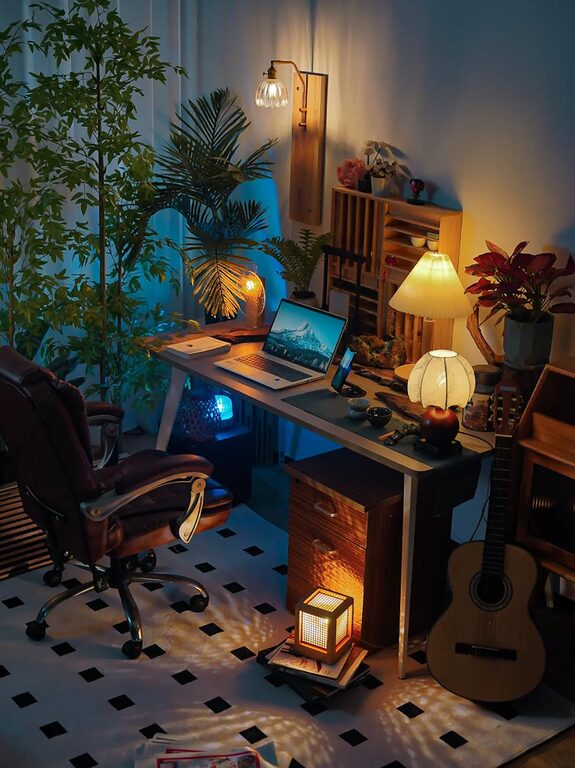
– Area Rugs: A soft rug under your desk or chair adds coziness and helps define the space.
– Throw Blankets and Cushions: Use these on any seating area to soften the look.
– Curtains: Choose light but textured curtains that diffuse sunlight gently while adding a homey feel.
Optimize Lighting for Comfort and Productivity
Besides natural light, layered lighting can improve your workspace.
– Task Lighting: Use a desk lamp with adjustable brightness to reduce eye strain while working.
– Ambient Lighting: Soft overhead lights or floor lamps create a warm atmosphere in the evening.
– Avoid Harsh Lighting: Bright fluorescent lights can feel clinical and uncomfortable.
Declutter and Organize Efficiently
A tidy workspace helps keep your mind clear.
– Storage Solutions: Use shelves, baskets, or filing cabinets to keep supplies out of sight.
– Minimal Desk Setup: Only keep frequently used items on your desk to avoid clutter.
– Cable Management: Use clips or cable organizers to keep cords neat and avoid tangles.
Add Personal Touches
Personalizing your office makes it feel like your own special place.
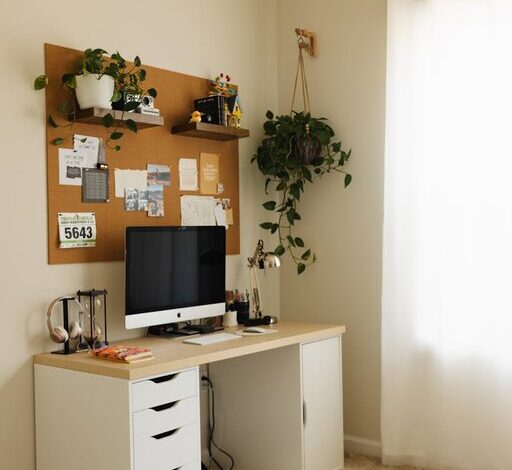
– Artwork and Photos: Hang inspiring artwork or family photos that make you happy.
– Plants: Indoor plants add color and help improve air quality. Choose easy-to-care-for varieties like succulents or peace lilies.
– Decor Items: Small items like candles, decorative trays, or interesting stationery add character.
Create Zones for Different Tasks
If space allows, separate areas within your office for different activities.
– Work Zone: Your main desk for focused work and computer use.
– Reading or Thinking Zone: A comfy chair or small sofa for reading, brainstorming, or meetings.
– Storage Zone: Clearly designated shelves or cabinets to keep materials organized.
Maintain Good Air Quality and Comfort
A fresh, comfortable environment supports focus.
– Ventilation: Open windows regularly or use an air purifier to keep air fresh.
– Temperature Control: Use fans, heaters, or air conditioning to maintain a comfortable temperature year-round.
– Humidity: A humidifier can help if your home gets dry, especially during winter.
Keep Technology User-Friendly
Make sure your tech setup enhances your comfort and efficiency.
– Monitor Height: Position your screen at eye level to reduce neck strain.
– Keyboard and Mouse: Use ergonomic devices designed to prevent discomfort.
– Wi-Fi and Power: Ensure strong internet connectivity and place outlets within easy reach.
—
Final Thoughts
Designing a cozy and inviting home office is about balancing functionality with comfort. By paying attention to lighting, furniture, organization, and personal style, you can create a workspace that’s both productive and welcoming. Remember, your home office is your personal retreat — make it a place where you enjoy spending time every day.